
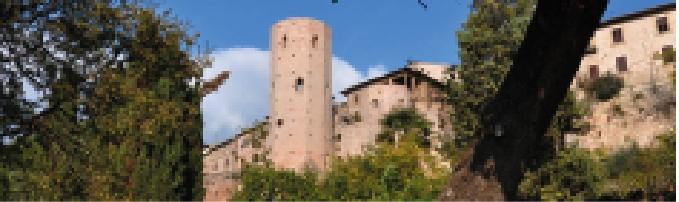
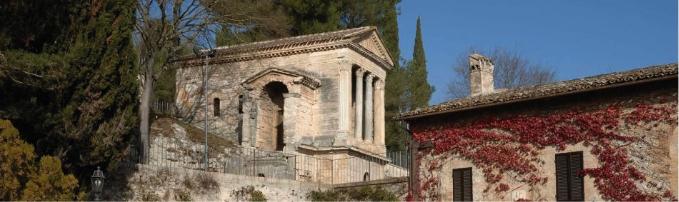



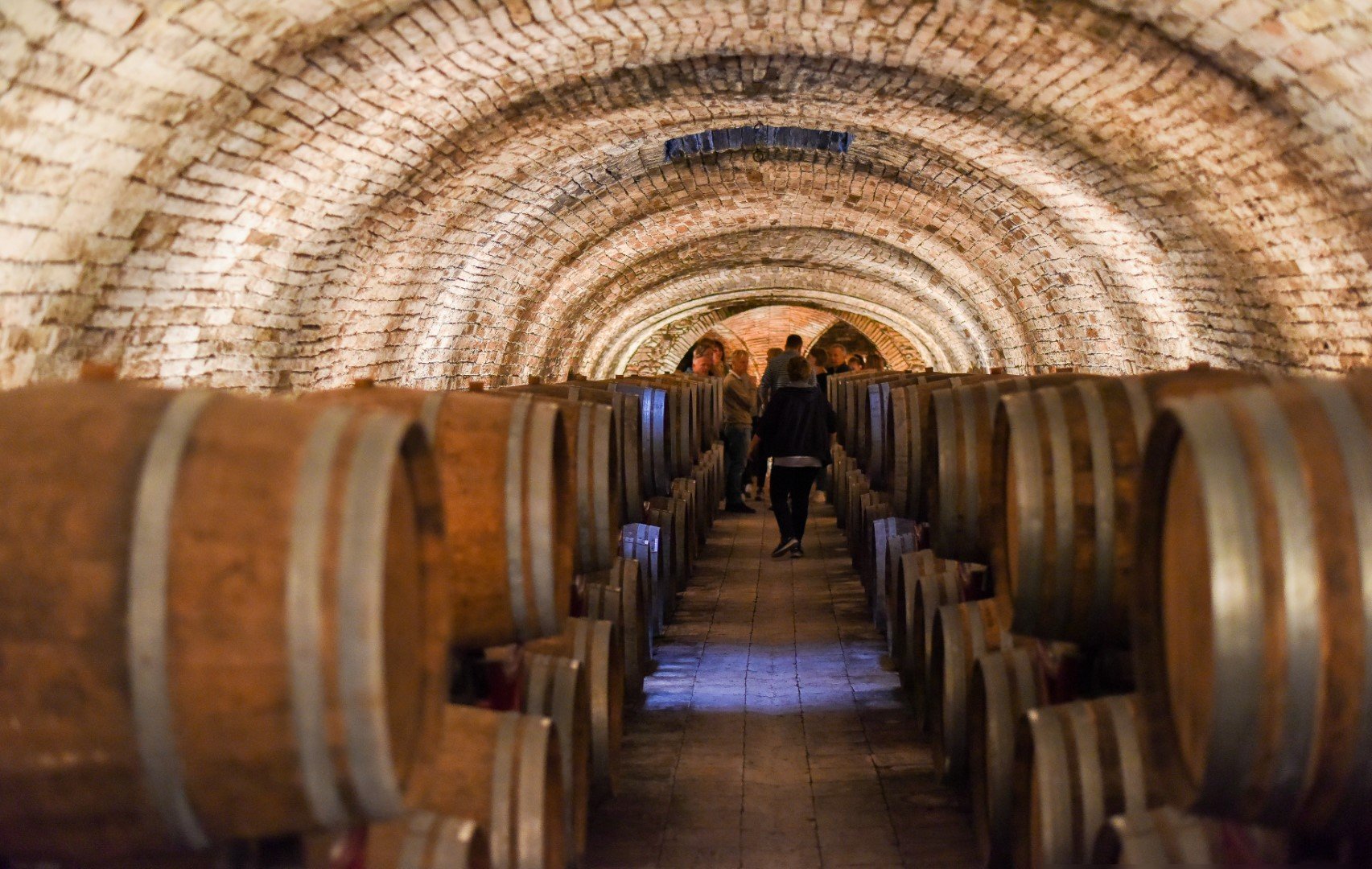



There is a subtle, precious thread of intense colour linking four Umbrian towns: saffron, the “red gold” that gives dishes their unmistakable aroma and a golden hue. In Umbria, this spice is not simply an ingredient of excellence, but a genuine ancient tradition that brings together history, landscape and authentic flavours. We invite you to discover it in the territories of Cascia, Città della Pieve, Gubbio e Spoleto, where the passion of local producers brings back to life every year a ritual of hand harvesting and traditional festivals.
A journey to the roots of saffron
The story of saffron (Crocus sativus) stretches back thousands of years. Native to Asia Minor, it was introduced to the West by the Arabs; its name derives from the Persian sahafaran, meaning “yellow”. Its properties were already known to the Egyptians, while Homer mentions it in the Iliad and Hippocrates praised its therapeutic virtues. In Italy, its cultivation has been preserved for centuries in the heart of central Italy, and Umbria represents one of the strongholds of this precious tradition.
Four territories, four expressions of red gold
Città della Pieve: medieval tradition and Perugino
In Città della Pieve, saffron cultivation dates back to the 13th century. An important historical record is found in the Statutes of Perugia of 1279, which regulated its sowing in the surrounding countryside. Originally, its value was closely linked to the dyeing of fine fabrics.
Today, the consortium “Il Croco di Pietro Perugino – Zafferano di Città della Pieve” brings together around twenty producers who market the spice strictly in threads, guaranteeing authenticity. Visiting this charming town means not only discovering this local excellence, but also enjoying breathtaking landscapes and its deep connection with the renowned painter Perugino.
Cascia: a renaissance in the Valnerina
After a period of great diffusion between the 13th and 16th centuries, partly due to its medicinal properties, saffron production in Cascia was reintroduced in 1999. Today, the Saffron Association of Cascia involves about fourteen producers throughout the Valnerina area, preserving an agricultural tradition renewed every year.
At the end of October, the Cascia Saffron Market Exhibition is an event not to be missed for anyone wishing to immerse themselves in the colours and aromas of this land. More than just a market, it offers a true sensory journey. Tastings, show cooking, thematic conferences and educational workshops allow visitors to discover the many culinary possibilities of saffron, from traditional recipes to more innovative cuisine.
Not only in the kitchen
During the event, saffron’s emerging use in cosmetics is also highlighted. Thanks to its beneficial hydrating, elasticity-enhancing and hair-stimulating properties, the spice is opening up new areas of application, offering interesting opportunities for those seeking natural beauty products closely connected to the territory.
Spoleto: elegance in the kitchen
Saffron officially returned to the territory of the Duchy of Spoleto in October 2004, with the establishment of the Association of Saffron Producers of the Duchy. Today, the association includes fourteen small family-run farms located between Spoleto, Bevagna, Castel Ritaldi, Giano dell’Umbria, Gualdo Cattaneo.
Guided by strict production regulations, these producers cultivate the spice in the most natural way possible, ensuring a genuine and healthy product. Producers also offer direct sales on their farms, allowing visitors to establish a relationship based on trust, with the opportunity to discover the spice and learn more about the territory where it is grown.
The association promotes Spoletan saffron through festivals and market exhibitions both in Italy and abroad, highlighting the remarkable organoleptic and health properties of this extraordinary spice.
A historical legacy: the “zafranai” of Spoleto
A source of pride for the territory is the historic role of the Duchy in the cultivation and trade of saffron. As early as the 16th century, the Spoletan oliari and zafranai traded the products of their land in Rome.
Gubbio: young guardians of an ancient spice
In Gubbio, saffron cultivation has been revived thanks to a group of young producers who rediscovered the value of this crop, as some varieties of Crocus sativus grow naturally in the area. The Saffron Association of Gubbio preserves this tradition with enthusiasm.
Here we suggest tasting Rabbit with Saffron, a dish with a rich flavour softened by the delicacy of white meat, perfect after exploring the medieval centre and the impressive Palazzo dei Consoli.
Curiosities not to miss
- Did you know that around 200 pistils are needed to obtain just one gram of saffron? Harvesting takes place exclusively by hand during the early hours of late October, as intense light could alter the organoleptic characteristics of the stigmas. Once collected, the brick-red stigmas are dried and can be marketed only if perfectly intact, guaranteeing the authenticity of this product of excellence.
- In Spoleto, historical archives preserve numerous documents attesting to the wide spread of saffron cultivation and even to thefts of saffron from fields and homes, a sign of its extremely high economic value. It is therefore not surprising that this spice was considered a true treasure of the territory and was sometimes even used as a form of payment.
- Saffron was already so valuable in the Middle Ages that it was protected by statutes and regulations. In Città della Pieve, in 1279, foreigners were forbidden to sow crocus in the Perugian countryside. In the 16th century, moreover, the harvesting and sale of saffron from Città della Pieve were so important that they were subject to official declarations and taxation by 8 November.