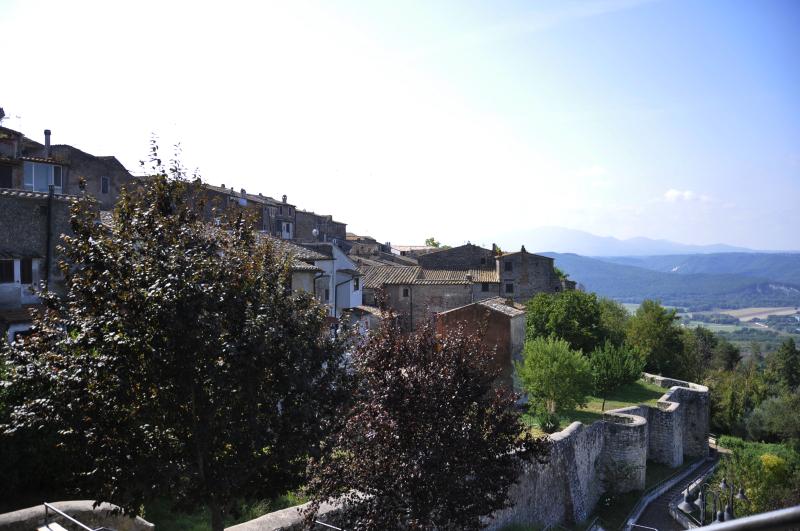





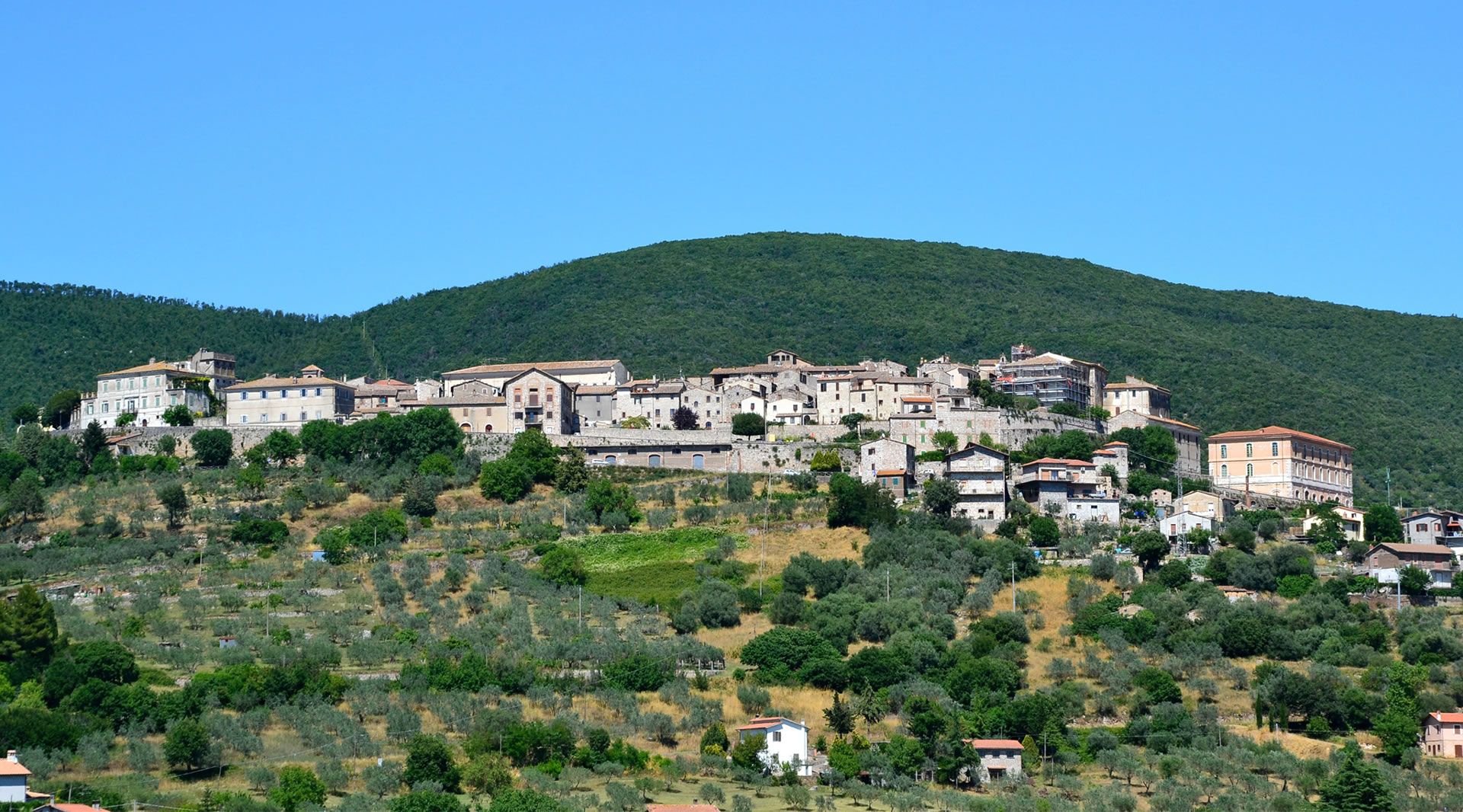
A typical hilltop village, Attigliano stands on a natural terrace overlooking the valley of the River Tiber below. High above rises an ancient castle; below flows the great river. Between these two elements unfolds the long history of this Umbrian settlement.
A fortunate position and an ancient history
Located on the border between Umbrian and Etruscan lands, the area was inhabited since ancient times, as confirmed by discoveries in the localities of Marziano Jana and Malvicino, where chamber tombs and crypts have been found. Numerous Roman-era remains have also been unearthed. It was probably the refreshing hill walk among the lime trees (ad tilias) used by the inhabitants of the villas in the valley to escape the summer heat that gave the settlement its name.
Roman villas developed around the river port on the Tiber, in use at least until the Middle Ages, whose remains can be seen in the locality of Portovecchio, near the modern cemetery.
After the fall of the Roman Empire, the ancient settlement in the valley was abandoned. In 993 Count Offredo, who had come from Germany in the entourage of Emperor Otto III, founded the town of Alviano, giving rise to the noble Alviano family. His descendants later founded Attigliano, which, according to surviving documents, was already a fortified village in the 11th century.
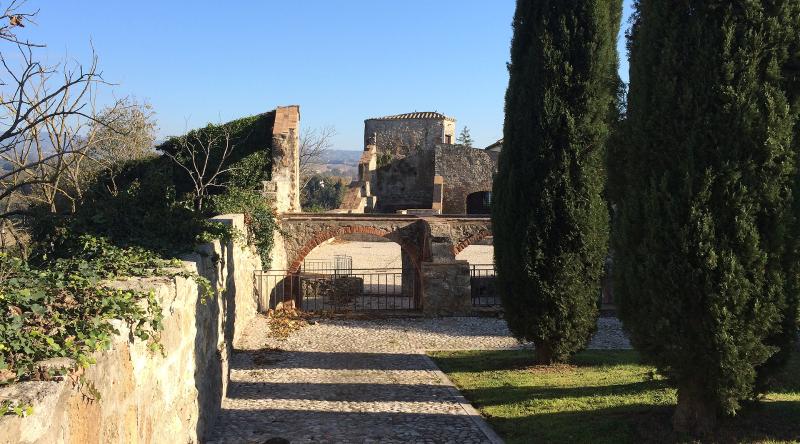
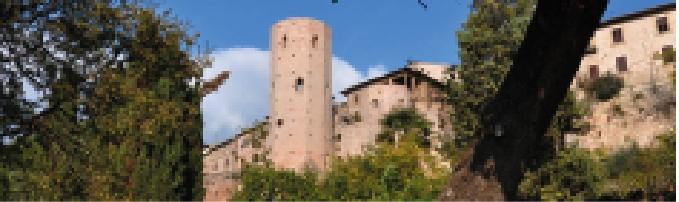
In the centuries that followed, due to its strategic location, Attigliano became entangled in wars and disputes with the nearby towns of Orvieto, Todi and Amelia, and in clashes between Guelphs and Ghibellines. For this reason a castle was built, equipped with five cylindrical towers and one pentagonal tower, a moat, and a drawbridge—remains of which can still be seen today. During the feudal and seigneurial era, the town came under the control of several ruling families: first the Alviano family, then the Cesi, and finally—after its annexation to the Papal States—the great Roman families of the Farnese (who held it for a long time and had a grand Baronial Palace built, now lost), the Monaldeschi, the Pamphili and the Borghese. With the 1860 plebiscite, the town was annexed to the Kingdom of Italy.
Exploring the charm of an ancient Umbrian village
From below, Attigliano appears as a typical medieval hilltop village dominated by the remains of its ancient fortress, the Castle of Attigliano. Only one access gate survives: a massive structure originally built in the 13th century and rebuilt in the 15th, all that remains after various demolitions. It once featured a drawbridge spanning a deep moat.
This monumental entrance leads to the heart of the old castle, Piazza della Rocca. The square is dominated by the unusual clock tower, once part of the medieval fortress and now adorned with a mural by the artist Daniele Del Sette. The tower houses a twelve-hour clock with a single hand, replacing the earlier 17th-century six-hour mechanism.
The square partly occupies the area once covered by the Baronial Palace, built by the Alviano family in the 16th century and later enlarged by the Farnese family.
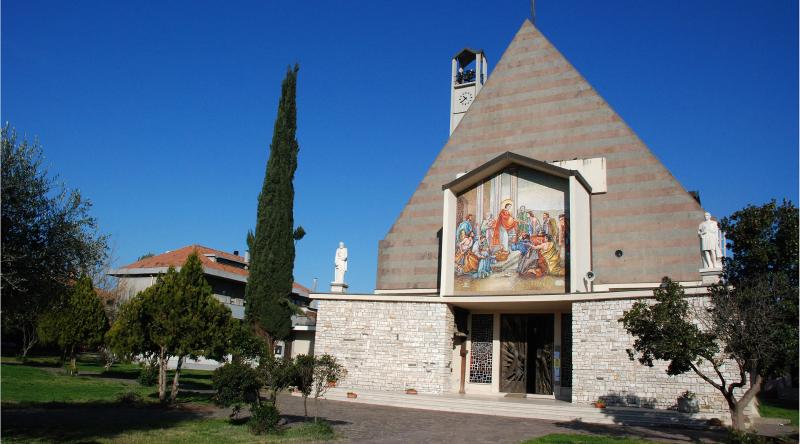
Also in the square stand the six remaining columns of the former church of San Lorenzo, a 16th-century building likely constructed atop an earlier structure. The church, along with the baronial palace and parts of the old castle, was demolished in 1964 due to serious issues affecting the stability of the area. San Lorenzo was rebuilt elsewhere in 1983, incorporating several original furnishings, such as the ciborium and a baptismal font.
From the square one can reach the town walls and admire the splendid panorama, or wander through the winding streets to discover traces of the ancient fortress.
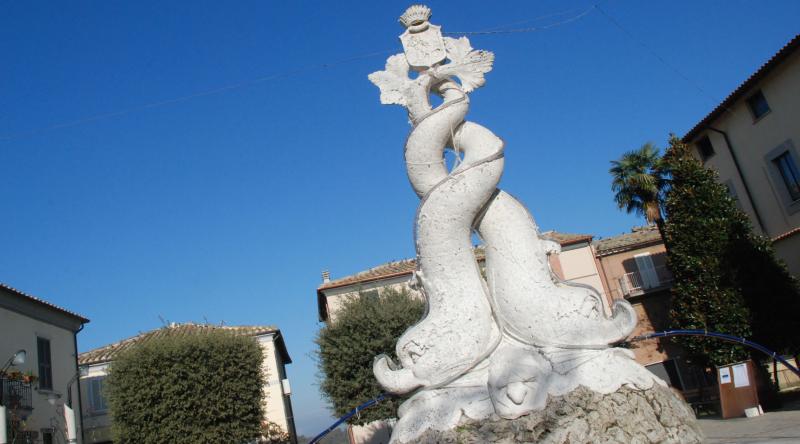
A short distance from the Castle Gate, in Piazza Vittorio Emanuele II, stands the Town Hall, created from what were once the Borghese family’s horse stables, as well as the beautiful Dolphin Fountain. Built in 1885 by Ramperti of Amelia, the fountain served a dual purpose: enhancing the appearance of the town’s main square and providing water from a nearby spring for everyday use.
Around the ancient village
In the surrounding area, at Marziano Jana, lie the remains of Etruscan tombs and crypts.
A pleasant walk of about 7 kilometres from the historic centre—or a few minutes by car along the road to Alviano—leads to the ancient fountain of Sant’Eugenia. Today a simple rural watering place, it was once the site of ancestral rites, including one believed to help restore milk to new mothers.
About 8 kilometres from town lies the charming church of Madonna delle Grazie, also accessible on foot via a circular walk that passes the old Papal customs house along the so-called “Piantata Route”. The small church was built between the First and Second World Wars to house an image of the Madonna painted on a roof tile, to whom the faithful entrusted their prayers for the safety and return of soldiers from the front.