
Along the path of the senses

Along the path of the senses: oil, wine, beer and Umbrian landscapes

Among the olive trees: Umbria’s green gold
Umbria boasts a distinction few people know about: it is the only Italian region to produce exclusively PDO extra virgin olive oil. This identity is expressed through five sub-areas, each with its own character: the intensely fruity Colli Assisi-Spoleto, the well-balanced Colli Martani, the more delicate Colli Amerini, the golden-hued Colli del Trasimeno and the herbaceous Colli Orvietani.
Visiting an olive mill in Umbria means witnessing a ritual that has been repeated for centuries. Between November and December, olives are harvested and taken to the mill while still fresh. Here, in just a few days, they are transformed into a deep green oil, with aromas that delight both the palate and the senses. Throughout the year, producers open their doors for tastings, where the “new oil” is served with bruschetta, fresh cheeses and cured meats. Some also offer courses to help visitors recognise the bitter and spicy notes that define its quality.
A unique experience is taking part in Frantoi Aperti in autumn, when historic mills come back to life and trails wind through centuries-old olive groves.

Craft beer: the land in every sip
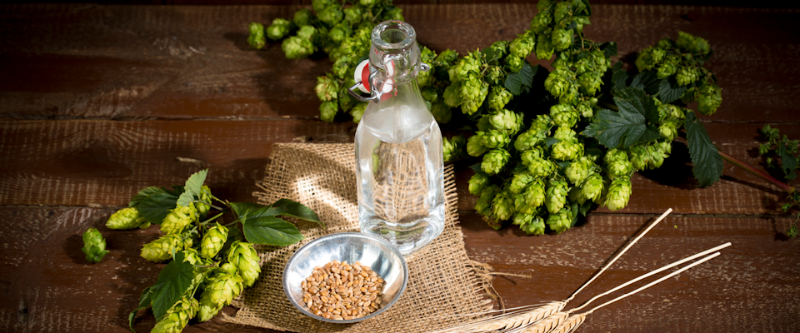
Umbria surprises with a brewing tradition rooted in the 19th century, now distinguished by the use of local ingredients and short supply chains. Some producers cultivate their own cereals—barley, spelt and wheat—and transform them into malt in their own malt houses, creating one of the few true zero-kilometre supply chains in Italy.
What makes Umbrian beers unique is the boldness of blending tradition with the unexpected. You’ll find beers infused with grass peas and lentils—ancient legumes that bring mineral notes and a velvety texture. Spelt from Norcia and corn from the Sibillini Mountains give rise to beers with a distinctive, spicy character. Around Lake Trasimeno, the fagiolina (a rare legume) is used to craft beers with a delicate yet persistent flavour. And there’s more: saffron from Cascia for golden blond beers, hemp from Nocera Umbra for surprising herbaceous notes, and chestnuts and honey for brews that evoke the forests of Upper Umbria.
Many breweries open their doors for guided tours: you walk among steel vats, breathe in the aroma of freshly roasted malt, and end with a tasting of beers that capture the essence of the Umbrian land.

Signature wines: from Sagrantino to Gamay, and a forgotten sweet gem
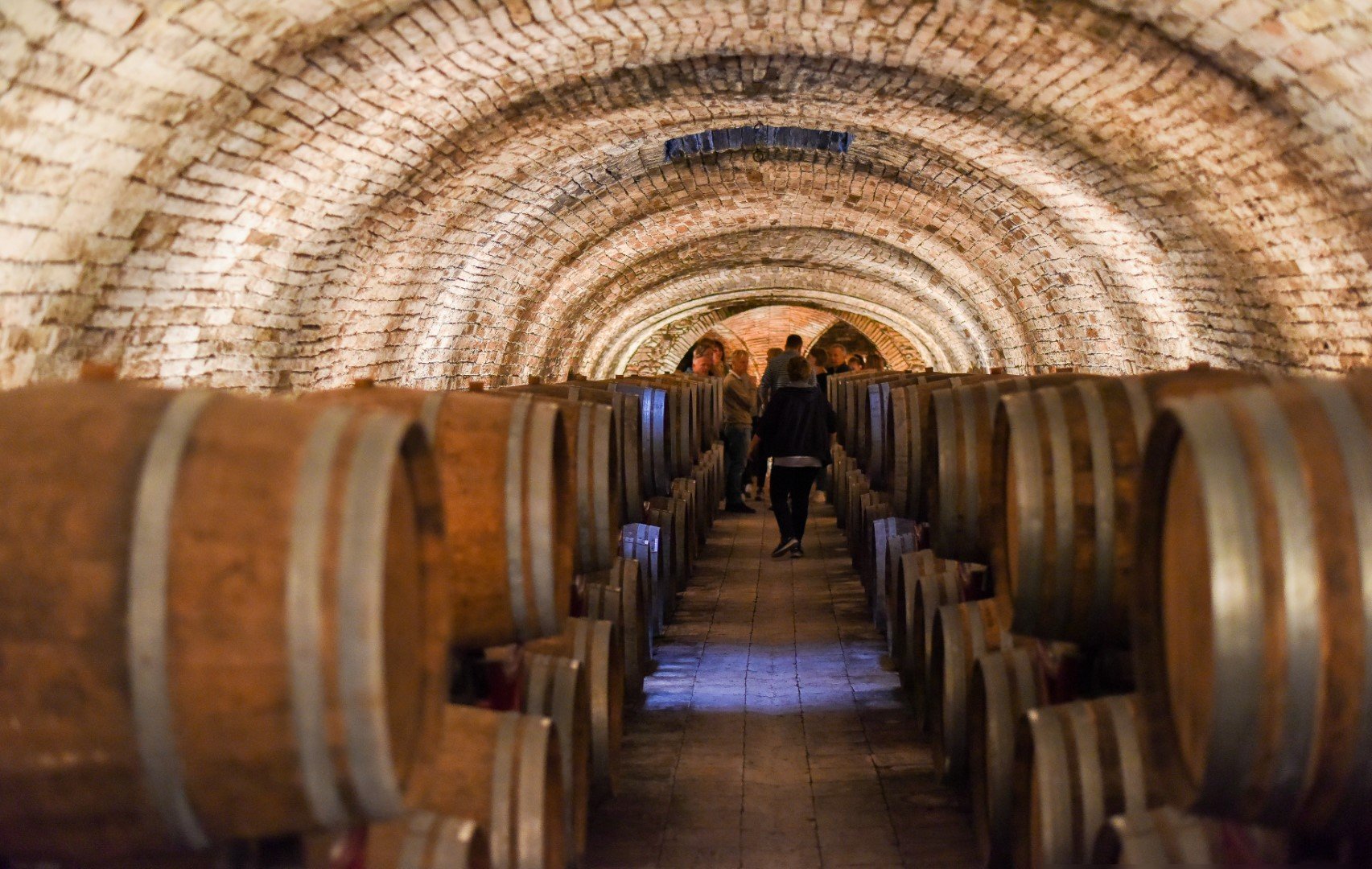
Wine in Umbria has a distinctive and fascinating geography. In Montefalco, Sagrantino takes centre stage—one of Italy’s most powerful and long-lived red wines, tannic and austere, reaching its peak expression in the passito style. Around Lake Trasimeno, meanwhile, you’ll discover Gamay del Trasimeno, a surprising grape variety: likely brought to Umbria by Sardinian shepherds in the 19th century, it is often mistaken for its French namesake, yet it actually belongs to the Cannonau family. In the glass, it shows a bright ruby hue, with aromas of sour cherry and Mediterranean scrub; on the palate, it is fresh, easy-drinking and almost silky—a medium-bodied red, perfect with lake cuisine.
Not to be missed, for those who enjoy venturing off the beaten path, is the smoked Vin Santo of Città di Castello, a little-known Slow Food presidium. Made from Trebbiano, Malvasia, Grechetto and Malfiore grapes, it is dried on racks and aged in small wooden barrels for at least five years. The result is a sweet wine with a deep amber colour, notes of dried fruit, honey and citrus, and a distinctive smoky hint reminiscent of cigar tobacco—an exceptional product that preserves one of Upper Umbria’s oldest traditions.

Rafting and canyoning in the waters shaped by the Romans
Marmore Falls, Nera River
The Marmore Falls are not a natural phenomenon, but a remarkable feat of Roman engineering that has become a breathtaking spectacle. Water plunges from a height of 165 metres, and experiencing it from below means putting on a helmet, stepping into a raft and feeling the full force of its roar.
Further downstream, along the Nera River, canyoning offers the chance to explore hidden gorges and narrow ravines, with jumps and rope descents, in a landscape where crystal-clear waters meet dramatic rock walls.

Hiking in the Sibillini Mountains
Castelluccio di Norcia, Sibillini Mountains
When the Castelluccio plain bursts into bloom in spring, the landscape turns into a canvas of extraordinary colours. Yet the Sibillini Mountains can be explored all year round: trails climb above 1,000 metres, winding through ancient paths, abandoned villages and peaks that, according to legend, were once home to the Sibyl.
You wander through pastures and beech forests, with views that, on clear days, stretch all the way to the sea. Every hike here is an encounter with nature at its most authentic—still wild, yet generous

Birdwatching among wetlands and reflective waters
Alviano Oasis, Lake Trasimeno
At the Alviano Oasis, a former bend of the Tiber transformed into a protected wetland, silence is broken only by the flutter of wings. Grey herons, little egrets, kingfishers and marsh harriers can be spotted here with patience and binoculars, along wooden walkways that wind through reeds and still waters.
At Lake Trasimeno, birdwatching takes on a more open dimension: along the shores and on the islands, migratory birds stop to rest, including rare flamingos and cormorants. The best time is at dawn, when the soft light brings out the colours of the plumage and the water turns into a perfect mirror.

Cycling along the shores of Lake Trasimeno
Lake Trasimeno, Castiglione del Lago, Passignano
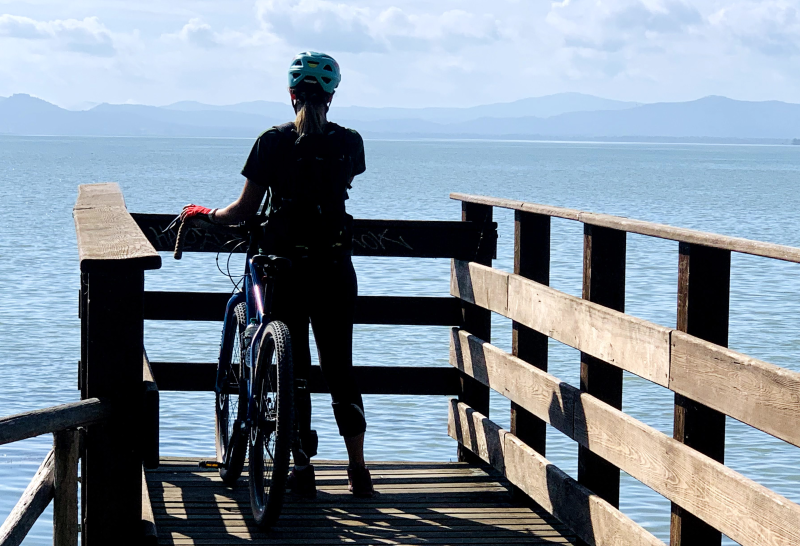
A 60-kilometre flat cycle path runs along the shores of Lake Trasimeno, offering an easy ride rich in ever-changing scenery. The route winds through olive groves and reeds, passing small villages overlooking the water: Castiglione del Lago with its medieval fortress, Passignano with houses cascading down to the lake, and San Feliciano with its harbour and fishing boats.
You can opt for a shorter ride or complete the full loop, stopping along the way for a glass of Gamay or a plate of tegamaccio. Here, the pace is set by the landscape—and the landscape invites you to slow down.